

Louver Door
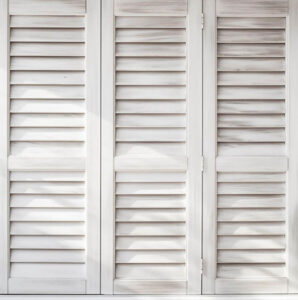
The louver door, with its distinctive series of angled, horizontal slats, is far more than a simple room divider. It is a design element steeped in history, offering a masterful blend of aesthetic appeal and pragmatic utility that continues to resonate in modern interiors. From its functional origins to its current status as a style statement, the louver door presents a compelling alternative to solid-panel doors.
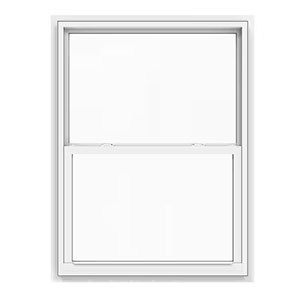
UPVC Single Hung Window
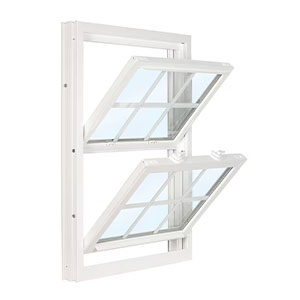
UPVC Double Hung Window
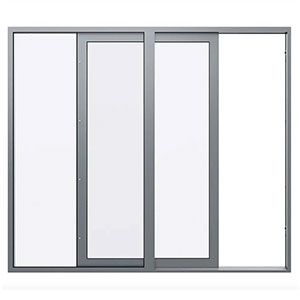
UPVC Sliding Window And Door
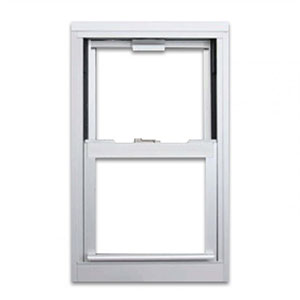
Aluminum Hung Window
Louver Doors Inspiration
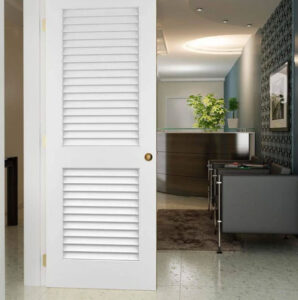
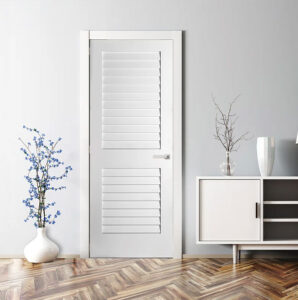
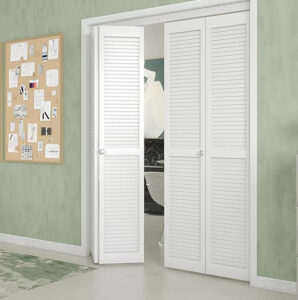
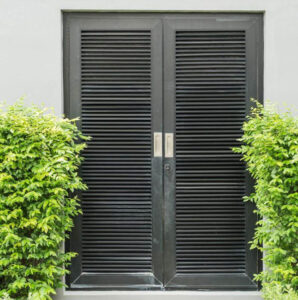
Let the timeless elegance of Louver Doors Inspiration inspire your next project. Their blend of classic design and contemporary functionality can transform any space, adding a touch of sophistication.
MJR Door Factory & Equipment
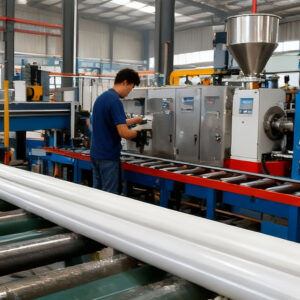
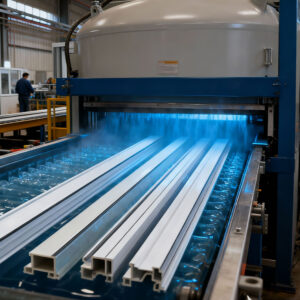
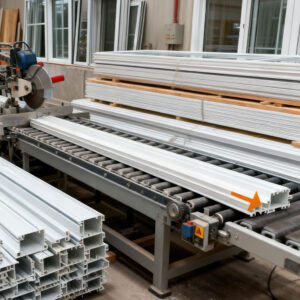
MJR Profiles Manufacturing Process



Exhibition Room
Step inside our world of premium UPVC windows and doors. This video gives you a closer look at the quality, craftsmanship, and diverse styles we offer. From modern designs to classic profiles, see how we blend durability with aesthetics to create perfect solutions for your home or project.
Explore the possibilities with MJR – where quality meets detail. Contact us today to find your ideal fit.
Valuable Partner









Tomasz Derwich
“ Using your UPVC windows has become a standard in our energy-efficient home projects. The consistent quality and excellent thermal performance help us meet strict building codes and impress our clients with lower utility bills. ”

Gustavo Fernando
“ Your aluminum doors and windows offer the perfect blend of modern aesthetics and durability for our developments. The finish withstands weather beautifully, and the range of designs adds significant value, making our properties more marketable. ”

Yamile Romero
“ As a contractor, I value reliable partners. Your products are easy for my team to install, and the security features are a major selling point for homeowners. Happy clients mean more referral business for us. ”